
After the Apocalypse
by Jacob Hancock
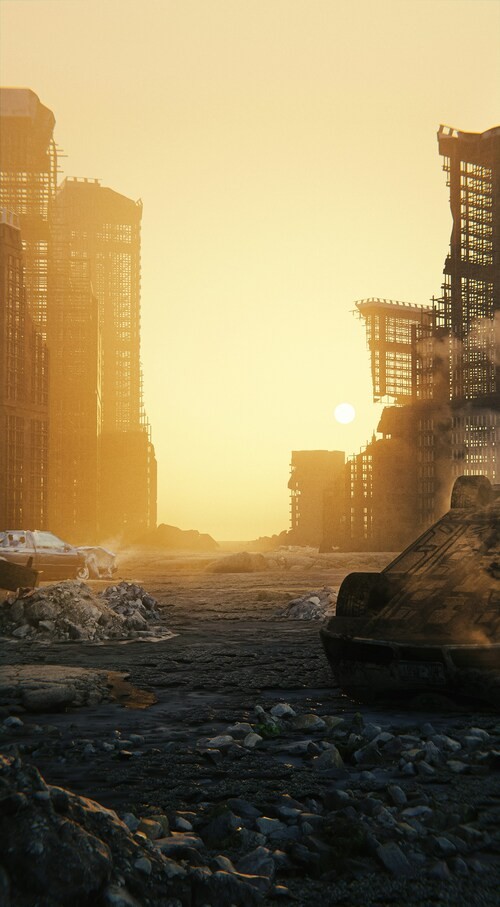
Since I was young, I’ve had a fascination with zombies. Hordes of shambling undead filled the toy aisles and phone screens of my childhood. Plants vs. Zombies, The Walking Dead, and even Minecraft were global phenomena heavily featuring these green-skinned ghouls. Zombie fiction exploded in the 2010s, just as I was at that impressionable young age when all things horrible and gross became wonderful in my eyes. As I’ve gotten older, however, I’ve begun to appreciate zombie fiction differently. While these decaying and brain-hungry creatures are practically poster children for the undead, I see in them a potent example of what it looks like to live on after the apocalypse.
When I first played The Last of Us, a post-apocalyptic PlayStation video game, I was
overwhelmed by the nostalgic atmosphere, not at all uncommon in fiction of the genre. In the
In the game’s universe, the world came to an end in 2013 after a fungal virus spread, creating hordes of zombie-like “clickers” that are incredibly sensitive to sound. Twenty years on, survivors Joel and Ellie go on a surrogate father-daughter road trip through post-apocalyptic America and encounter all kinds of danger. However, the game really shines in the quiet moments of exploration rather than the bombastic combat sequences, at least for me. Tramping silently through water-logged subway stations or crumbling skyscrapers, picking up twenty-year-old magazines or soda cans that were brand new the last time they were held, produces a profound sense of lost time. The world is trapped in 2013; the “clickers” are frozen forever, just as they were when the infection took hold, yet the survivors go on. It must be disorienting, and I can’t help but imagine it’s similar to how Asaph felt when composing Psalm 74.
Psalm 74 is written from the perspective of someone who’s lived through an apocalypse:
the destruction of Jerusalem and the First Temple by Babylon in the 580s BC. By the time this
maskil was composed; the Jews were in exile, nearly a thousand miles from their holy city, with no hope of return. Asaph writes in the opening verse, “O God, why have you rejected us forever? Why does your anger smolder against the sheep of your pasture?” The Jews feel abandoned; they hear nothing except the silence of God in their exile. Asaph petitions God to remember His people in their season of suffering and details the destruction brought by the Babylonians. He notes the lack of signs and prophets, the means through which God’s voice was made known to the Jews, and calls on God to strike back against their captors. Asaph names all the great deeds of God, fortifying his own trust in His power, and implores Him to rise against his enemies for a final time.
Thankfully, this isn’t the final chapter of the Bible, and we know that God later used the Persians to free the Jews after about 70 years in Babylonian captivity, after which they returned to and rebuilt Jerusalem. For those 70 years, however, the Jews had lived through the apocalypse and had to grieve the memory of Jerusalem that many likely thought lost forever. We, too, have lived through our own small apocalypses, but the hope of Christ has and will sustain us through the fallout.
These articles follow our church-wide reading plan. Read with us!
When I first played The Last of Us, a post-apocalyptic PlayStation video game, I was
overwhelmed by the nostalgic atmosphere, not at all uncommon in fiction of the genre. In the
In the game’s universe, the world came to an end in 2013 after a fungal virus spread, creating hordes of zombie-like “clickers” that are incredibly sensitive to sound. Twenty years on, survivors Joel and Ellie go on a surrogate father-daughter road trip through post-apocalyptic America and encounter all kinds of danger. However, the game really shines in the quiet moments of exploration rather than the bombastic combat sequences, at least for me. Tramping silently through water-logged subway stations or crumbling skyscrapers, picking up twenty-year-old magazines or soda cans that were brand new the last time they were held, produces a profound sense of lost time. The world is trapped in 2013; the “clickers” are frozen forever, just as they were when the infection took hold, yet the survivors go on. It must be disorienting, and I can’t help but imagine it’s similar to how Asaph felt when composing Psalm 74.
Psalm 74 is written from the perspective of someone who’s lived through an apocalypse:
the destruction of Jerusalem and the First Temple by Babylon in the 580s BC. By the time this
maskil was composed; the Jews were in exile, nearly a thousand miles from their holy city, with no hope of return. Asaph writes in the opening verse, “O God, why have you rejected us forever? Why does your anger smolder against the sheep of your pasture?” The Jews feel abandoned; they hear nothing except the silence of God in their exile. Asaph petitions God to remember His people in their season of suffering and details the destruction brought by the Babylonians. He notes the lack of signs and prophets, the means through which God’s voice was made known to the Jews, and calls on God to strike back against their captors. Asaph names all the great deeds of God, fortifying his own trust in His power, and implores Him to rise against his enemies for a final time.
Thankfully, this isn’t the final chapter of the Bible, and we know that God later used the Persians to free the Jews after about 70 years in Babylonian captivity, after which they returned to and rebuilt Jerusalem. For those 70 years, however, the Jews had lived through the apocalypse and had to grieve the memory of Jerusalem that many likely thought lost forever. We, too, have lived through our own small apocalypses, but the hope of Christ has and will sustain us through the fallout.
These articles follow our church-wide reading plan. Read with us!
More from the blog:
Finding Peace in a Redeeming God
May 25th, 2026
“You keep him in perfect peace whose mind is stayed on you, because he trusts in you. Trust in the LORD forever, for the LORD GOD is an everlasting rock.” (ESV)I love the promises found in Isaiah 26:3–4. They are truly comforting and words to hold fast to. In a world marked by anxiety, suffering, and exhaustion, we are invited into what scriptures calls perfect peace. This peace is more than tempo...
After the Apocalypse
May 18th, 2026
Since I was young, I’ve had a fascination with zombies. Hordes of shambling undead filled the toy aisles and phone screens of my childhood. Plants vs. Zombies, The Walking Dead, and even Minecraft were global phenomena heavily featuring these green-skinned ghouls. Zombie fiction exploded in the 2010s, just as I was at that impressionable young age when all things horrible and gross became wonderfu...
A Sturdy Witness Chair: The Apologetics Handbook of 1 Peter
May 11th, 2026
On April 17, 1521, when the “fabled monk”[1] was asked to give a defense for the convictions within him, Martin Luther respectfully and famously said:Since then your serene majesties and your lordships seek a simple answer, I will give it in this manner, plain and unvarnished. . . . I am bound to the Scriptures I have quoted and my conscience is captive to the Word of God. I cannot and will not re...

Recent
Archive
2026
February
March
April
2025
February
March
April
September
October
November
2024
March
April
September
October
No Comments